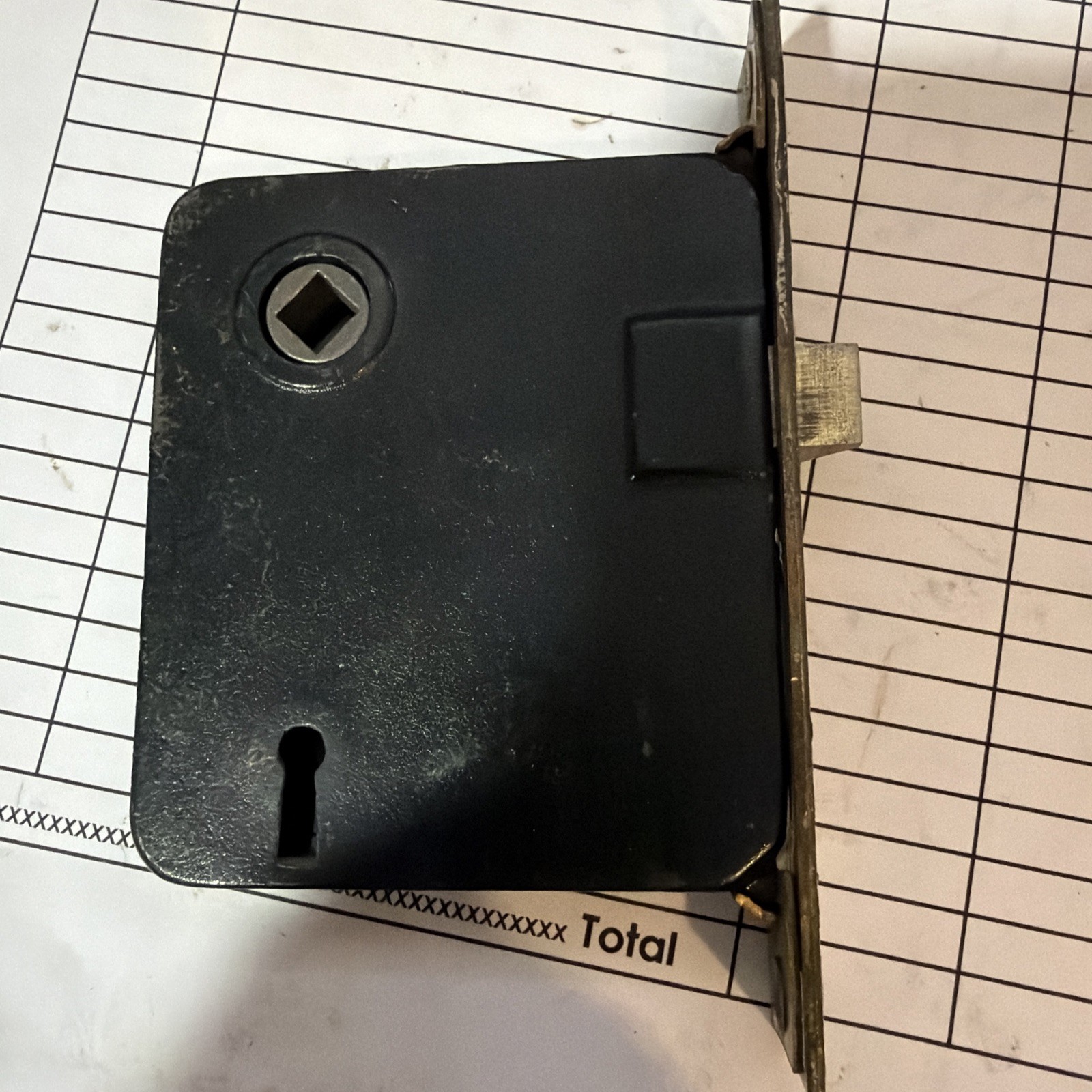
The image shows the internal mechanism of an open antique mortise lock, model number 250.This specific configuration—distinguished by its cast iron casing, brass components, and the uniquely styled latch bolt—is a Sager No. 250 series mortise lock. These were widely produced by the Sager Lock Works (which was later acquired by Yale in 1925), making this model a common fixture in homes built during the early 1900s through the 1930s.Internal Components BreakdownThe Latch Bolt Assembly (Top/Middle): This is the brass plunger piece stamped with the \"250\" model designation. It is tensioned by a coil spring that pushes the latch outward into the door strike plate when the door closes.The Knob Hub / Follower (Top Right): The square hole where the doorknob spindle passes through. Turning the doorknob rotates this piece, forcing the arm back to retract the latch bolt.The Deadbolt and Tumbler Lever (Bottom): The lower flat brass mechanism acts as the secure deadbolt, which is thrown or retracted using a traditional bit key (skeleton key).Tension Springs: The thin, curved wire springs run along the top and center boundaries to keep constant downward/upward pressure on the internal levers so they catch properly.

Related Items:
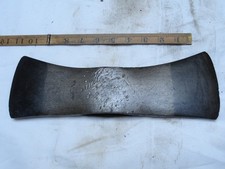
vintage sager chemical axe 1946 rare antique sager axe head vintage 12.5 in wide
$110.00
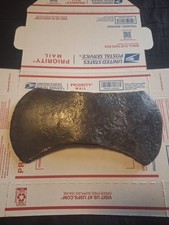
Vintage Sager Chemical DOUBLE BIT AXE HEAD
$63.95
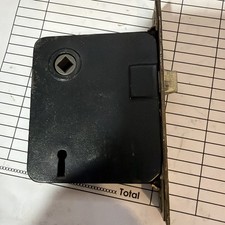
Vintage Sager No. 250 series mortise lock no key
$12.65